
Here is a guide on how to choose the perfect location for your special event. Choosing the right location is one of the most important steps in planning a successful event. Whether you are organizing a wedding, a bar mitzvah, a corporate gathering, or an intimate family celebration, the venue influences the atmosphere, guest experience, and overall character of the occasion. Beyond impressive architecture and beautiful surroundings, the perfect location should combine practicality, comfort, professional services, and design flexibility. With so many options available, knowing what to look for can make the decision much easier. Here are several essential considerations to help you find a venue that matches your vision and creates a memorable experience.
More interesting articles on the site:
- אריזה לכל מוצר – מכונת אריזה רב-תכליתית מעניקה פתרון אחד למגוון מוצרים וגדלים
- מטבח חלומי – המדריך המלא איך לבחור חברת מטבחים מומלצת למטבח חלומותיכם
1. Define the Event's Style and Atmosphere
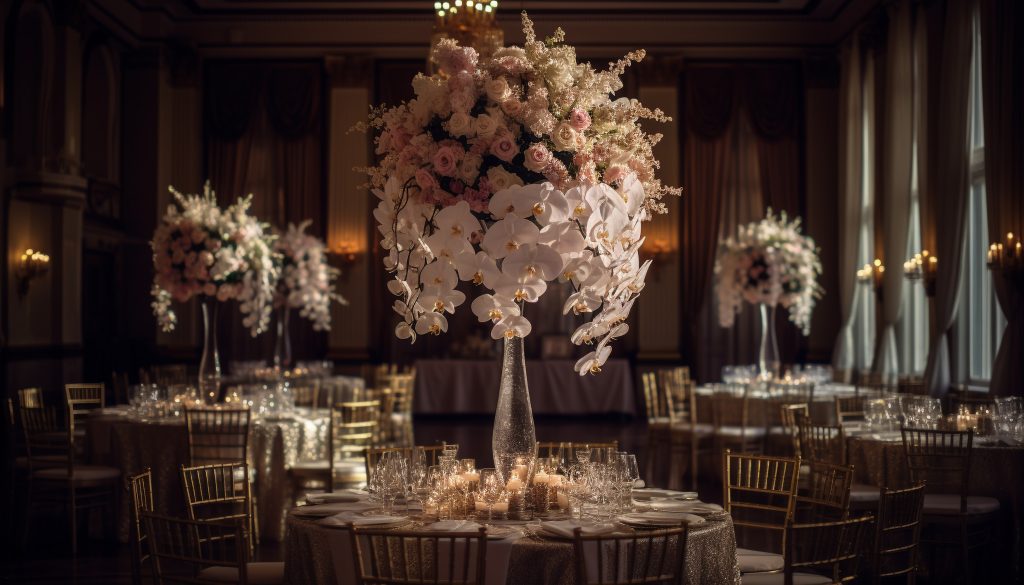
Before exploring different locations, consider the type of experience you want to create. An elegant wedding may call for landscaped gardens, sophisticated architecture, and carefully designed lighting, while a corporate event might benefit from contemporary interiors and advanced technical facilities. Think about the atmosphere you want guests to experience from the moment they arrive. Natural materials such as Jerusalem stone, wood, glass, and textured fabrics can add character and warmth to a venue. Similarly, architectural details, water features, and landscaped outdoor areas can create a distinctive visual identity. Having a clear concept from the beginning will help you narrow down your options and avoid choosing a beautiful location that does not suit the occasion.
2. Consider Location and Accessibility
A venue should be convenient for guests, not just visually impressive. Consider its distance from major roads, public transportation, hotels, and accommodation options. If you are searching for a luxury venue in israel, think about the experience of both local and international guests. Locations near popular tourist destinations or within easy reach of major cities can offer additional advantages, especially when planning multi-day celebrations. Parking availability, accessible entrances, elevators, and convenient drop-off points are also important considerations. For guests arriving from abroad, nearby hotels and transportation services can make the entire experience more comfortable. A well-located venue allows guests to focus on enjoying the celebration rather than worrying about logistics.
3. Check Capacity and Space Planning
The number of guests should influence your choice of venue from the beginning. However, capacity is about more than the maximum number of people a location can accommodate. Consider how tables, reception areas, dance floors, stages, and entertainment installations will fit into the available space. A venue that feels spacious with 150 guests may become crowded when additional production elements are introduced. Ask the management team to show you examples of previous event layouts and explain the different seating arrangements available. Flexible spaces that combine indoor halls with outdoor gardens offer additional possibilities, allowing different parts of the celebration to take place in separate environments. This creates a natural flow and gives guests opportunities to move between activities.
4. Examine the Design, Facilities, and Technical Equipment
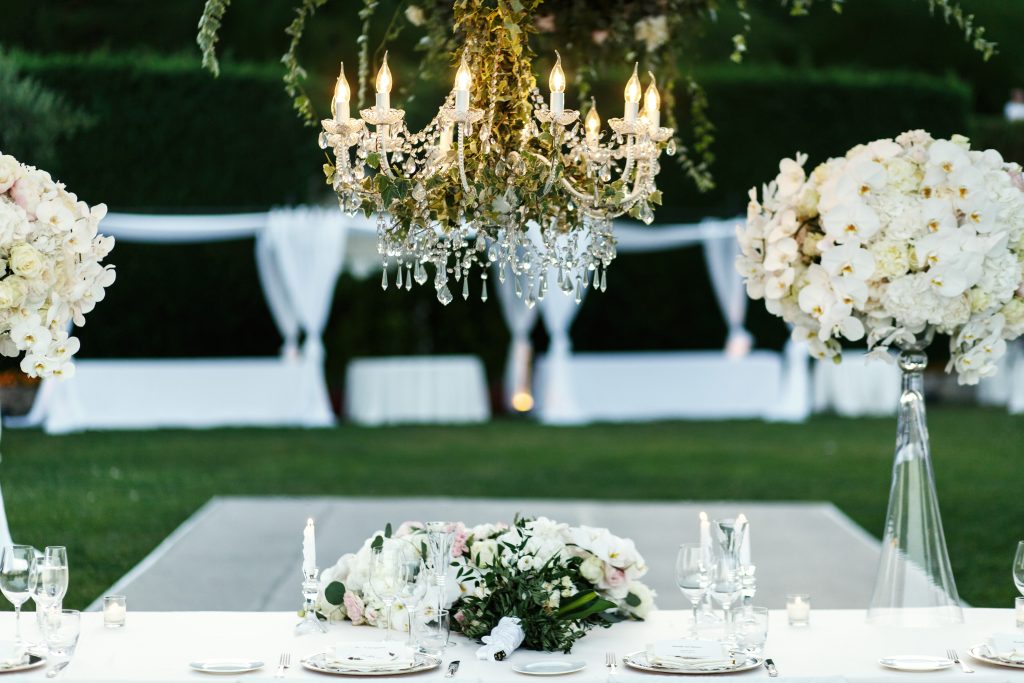
The venue's visual appeal is important, but its practical infrastructure deserves equal attention. Examine the quality of the furniture, flooring, lighting fixtures, sound systems, and climate-control solutions. Materials such as natural stone, porcelain surfaces, solid wood, and high-quality fabrics can contribute to an elegant and durable design. If the event includes live music, presentations, or audiovisual performances, check the acoustic quality and available technical equipment. Ask whether the venue provides an in-house technical team and what additional services require external suppliers. For outdoor events, verify the availability of shaded areas, covered spaces, heating, and cooling systems. These details help ensure that the venue remains comfortable and functional throughout the celebration.
5. Evaluate Catering and Professional Services
Food and hospitality play a central role in the overall event experience. Before making a decision, find out whether catering is provided directly by the venue or through external suppliers. Request a tasting session and examine the menu variety, ingredient quality, presentation, and flexibility. Make sure the catering team can accommodate dietary requirements, including vegetarian, vegan, gluten-free, and kosher options when necessary. It is also worth checking which services are included in the booking, such as event coordination, table arrangements, cleaning, security, and waiting staff. A professional team that communicates clearly and understands your expectations can make the planning process significantly smoother.
6. Compare Prices and Review the Contract
Finally, examine the financial details before committing to a location. Request a detailed quotation that separates the venue rental from catering, equipment, staffing, decorations, and additional services. Check payment schedules, cancellation conditions, overtime fees, and possible charges for external suppliers. Comparing several venues using the same criteria will help you understand the actual value of each offer. Remember that the lowest price does not necessarily represent the best choice. Reliability, service quality, flexibility, and guest comfort are equally important factors.
Choosing the perfect event location requires a balance between aesthetics, functionality, hospitality, and budget. By examining these elements carefully, you can select a venue that reflects your vision and provides the ideal setting for a truly memorable occasion.

